Chronic Jaw Pain & Disc Displacement

Home About Us TMJ Treatments TMJ Treatment in Ernakulam TMJ Treatment in Chennai Knowledge Hub Case Studies Contact Us Clicking Jaw with Limited Mouth Opening A toothbrush is one of the most important tools for maintaining good oral health, but with so many options available, choosing the right one can feel overwhelming. The right toothbrush can make a big difference in keeping your teeth clean, preventing cavities, and protecting your gums. Here are a few things to consider when selecting the best toothbrush for you. 1. Bristle Type Most dentists recommend a soft-bristled toothbrush. Soft bristles are gentle on your gums and enamel, while still effectively removing plaque and food particles. Hard bristles may cause irritation or wear down your enamel over time. 2. Head Size Choose a toothbrush head that fits comfortably in your mouth and can easily reach all areas, including the back teeth. For most adults, a small to medium-sized head works best. 3. Handle Comforte A good toothbrush should feel comfortable in your hand and be easy to maneuver. Look for a handle with a non-slip grip for better control, especially if you have children or elderly family members using it. 4. Manual vs. Electric Both manual and electric toothbrushes can clean teeth effectively when used properly. However, electric toothbrushes can be especially helpful for people with limited mobility or those who find it difficult to brush thoroughly. 5. ADA Seal of Approval When possible, choose a toothbrush that has the American Dental Association (ADA) Seal of Approval. This ensures that the toothbrush has been tested for safety and effectiveness. Conclusion The right toothbrush can help you maintain a healthy smile with ease. Whether you choose manual or electric, remember to brush twice daily with fluoride toothpaste and replace your toothbrush every three to four months—or sooner if the bristles are frayed. Schedule an Appointment Now Comprehensive • Personalized • Non-Surgical Book Now
TMJ Pain and Jaw Pain

TMJ Pain and Jaw Pain TMJ Pain and Jaw Pain Suggested title: TMJ Pain and Jaw Pain: Causes, Symptoms & Treatment Options TMJ pain can affect one or both sides of the jaw and may make everyday activities such as eating, speaking, or yawning uncomfortable. The pain may come from the jaw joint itself, the surrounding muscles, or both. Common Symptoms Pain near the jaw joint Pain while chewing or yawning Facial tenderness Jaw stiffness Clicking or popping Headaches Ear discomfort Pain spreading to the neck or shoulders Common Causes TMJ and jaw pain may be caused by: Teeth clenching and grinding Stress-related muscle tension Injury to the jaw Arthritis Disc problems within the jaw joint Excessive chewing Certain jaw and bite conditions When Should You See a Specialist? Occasional jaw discomfort may improve with rest, but persistent or worsening pain should be assessed by a qualified specialist. Seek professional advice if your pain affects eating, speaking, sleeping, or normal jaw movement. Treatment Treatment may involve identifying and addressing the underlying cause. Depending on the condition, treatment options may include conservative care, physiotherapy, medications, oral appliances, injections, or advanced procedures. Search Here Search Related Posts edit post Temporomandibular Joint Disorder (TMD) July 22, 2026 edit post TMJ Pain and Jaw Pain July 22, 2026 Tags Checkup Hydration Healthy Sleep Tips Dentistry
Temporomandibular Joint Disorder (TMD)

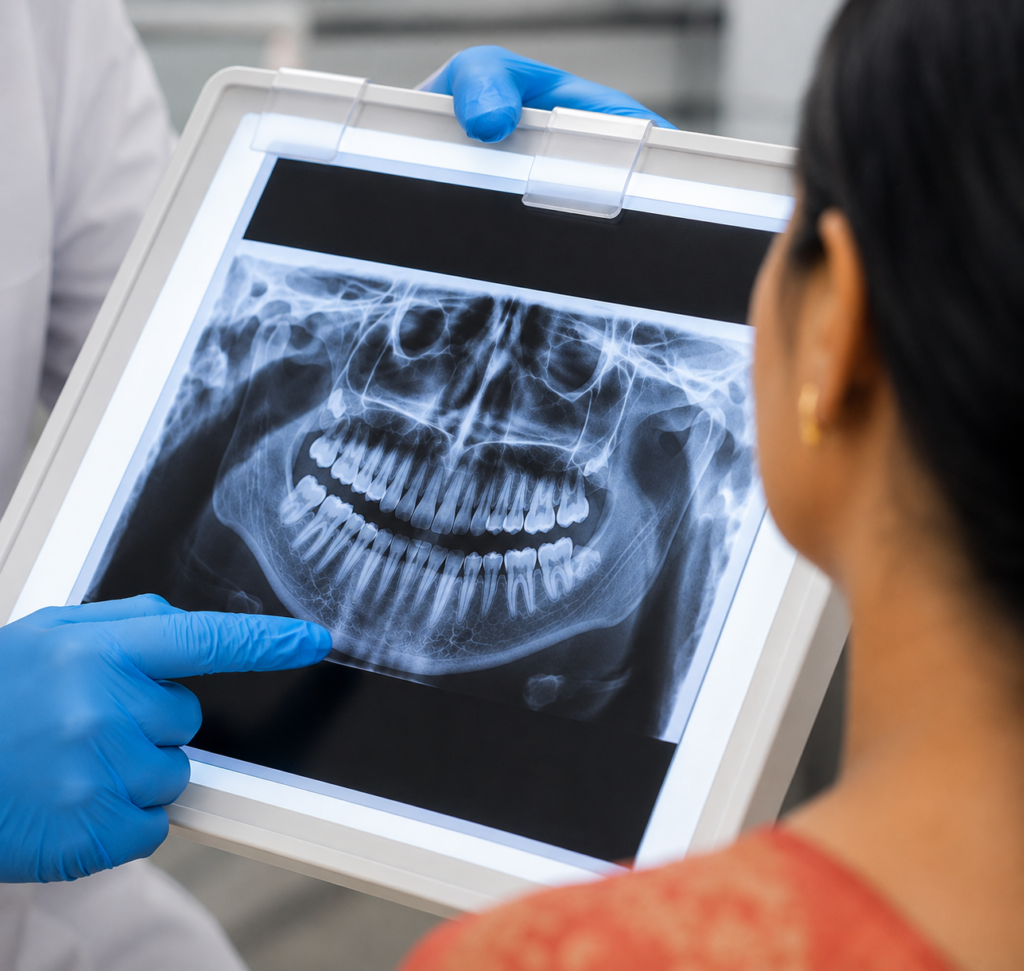
Temporomandibular Joint Disorder (TMD) Temporomandibular Joint Disorder (TMD) Suggested title: Temporomandibular Joint Disorder (TMD): Symptoms, Causes & Treatment Introduction Temporomandibular Joint Disorder (TMD) refers to a group of conditions affecting the temporomandibular joints, jaw muscles, and surrounding structures. These joints connect your lower jaw to your skull and play an important role in speaking, chewing, swallowing, and facial movement. TMD can cause pain and discomfort in the jaw, face, ears, temples, and neck. Some people may also experience clicking sounds, difficulty opening their mouth, or jaw locking. Common Symptoms Symptoms of TMD may include: Jaw pain or tenderness Clicking, popping, or grinding sounds Difficulty opening or closing the mouth Jaw locking Facial pain Headaches or temple pain Ear pain or a feeling of fullness in the ears Pain while chewing Neck and shoulder discomfort What Causes TMD? TMD can develop for several reasons, including: Teeth grinding or clenching Jaw injury or trauma Arthritis affecting the jaw joint Stress and muscle tension Problems with the jaw joint or disc Certain dental or bite-related issues How Is TMD Diagnosed? A TMJ specialist may assess your jaw movement, muscle tenderness, bite, and joint sounds. Depending on your symptoms, imaging such as X-rays, CT scans, or MRI scans may be recommended. Treatment Options Treatment depends on the underlying cause and severity of the condition. Options may include lifestyle changes, physical therapy, medication, dental appliances, injections, or other specialised treatments. If you experience persistent jaw pain, difficulty opening your mouth, or recurring jaw symptoms, professional evaluation can help identify the underlying cause. Search Here Search Related Posts edit post Temporomandibular Joint Disorder (TMD) July 22, 2026 edit post TMJ Pain and Jaw Pain July 22, 2026 Tags Checkup Hydration Healthy Sleep Tips Dentistry
New Post
Home About Us TMJ Treatments TMJ Treatment in Ernakulam TMJ Treatment in Chennai Knowledge Hub Case Studies Contact Us New Post A toothbrush is one of the most important tools for maintaining good oral health, but with so many options available, choosing the right one can feel overwhelming. The right toothbrush can make a big difference in keeping your teeth clean, preventing cavities, and protecting your gums. Here are a few things to consider when selecting the best toothbrush for you. 1. Bristle Type Most dentists recommend a soft-bristled toothbrush. Soft bristles are gentle on your gums and enamel, while still effectively removing plaque and food particles. Hard bristles may cause irritation or wear down your enamel over time. 2. Head Size Choose a toothbrush head that fits comfortably in your mouth and can easily reach all areas, including the back teeth. For most adults, a small to medium-sized head works best. 3. Handle Comforte A good toothbrush should feel comfortable in your hand and be easy to maneuver. Look for a handle with a non-slip grip for better control, especially if you have children or elderly family members using it. 4. Manual vs. Electric Both manual and electric toothbrushes can clean teeth effectively when used properly. However, electric toothbrushes can be especially helpful for people with limited mobility or those who find it difficult to brush thoroughly. 5. ADA Seal of Approval When possible, choose a toothbrush that has the American Dental Association (ADA) Seal of Approval. This ensures that the toothbrush has been tested for safety and effectiveness. Conclusion The right toothbrush can help you maintain a healthy smile with ease. Whether you choose manual or electric, remember to brush twice daily with fluoride toothpaste and replace your toothbrush every three to four months—or sooner if the bristles are frayed. Schedule an Appointment Now Comprehensive • Personalized • Non-Surgical Book Now
Clicking Jaw with Limited Mouth Opening
Home About Us TMJ Treatments TMJ Treatment in Ernakulam TMJ Treatment in Chennai Knowledge Hub Case Studies Contact Us Clicking Jaw with Limited Mouth Opening A toothbrush is one of the most important tools for maintaining good oral health, but with so many options available, choosing the right one can feel overwhelming. The right toothbrush can make a big difference in keeping your teeth clean, preventing cavities, and protecting your gums. Here are a few things to consider when selecting the best toothbrush for you. 1. Bristle Type Most dentists recommend a soft-bristled toothbrush. Soft bristles are gentle on your gums and enamel, while still effectively removing plaque and food particles. Hard bristles may cause irritation or wear down your enamel over time. 2. Head Size Choose a toothbrush head that fits comfortably in your mouth and can easily reach all areas, including the back teeth. For most adults, a small to medium-sized head works best. 3. Handle Comforte A good toothbrush should feel comfortable in your hand and be easy to maneuver. Look for a handle with a non-slip grip for better control, especially if you have children or elderly family members using it. 4. Manual vs. Electric Both manual and electric toothbrushes can clean teeth effectively when used properly. However, electric toothbrushes can be especially helpful for people with limited mobility or those who find it difficult to brush thoroughly. 5. ADA Seal of Approval When possible, choose a toothbrush that has the American Dental Association (ADA) Seal of Approval. This ensures that the toothbrush has been tested for safety and effectiveness. Conclusion The right toothbrush can help you maintain a healthy smile with ease. Whether you choose manual or electric, remember to brush twice daily with fluoride toothpaste and replace your toothbrush every three to four months—or sooner if the bristles are frayed. Schedule an Appointment Now Comprehensive • Personalized • Non-Surgical Book Now