TMJ Treatment in Chennai - Personalized Treatment for Lasting Relief
Relieve jaw pain, headaches, facial discomfort, and bite problems with expert diagnosis and personalized, non-surgical care from Dr. Shankar.
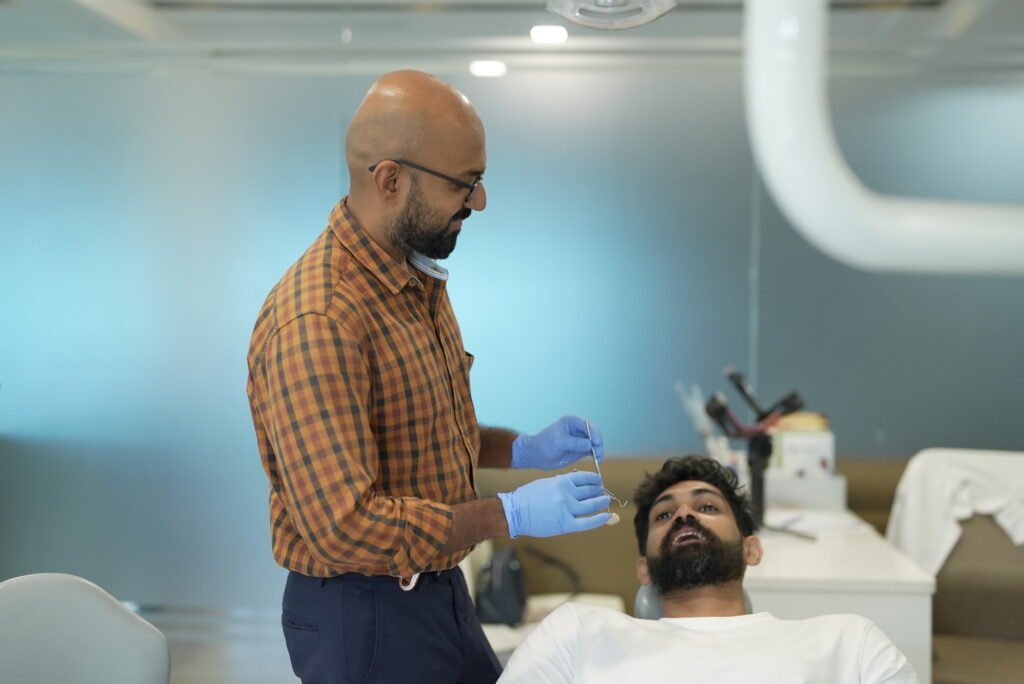
Meet Dr. Shankar - TMJ Specialist Serving Chennai
Dr. Shankar, BDS, FICCMO (USA), provides comprehensive diagnosis and personalized treatment for TMJ disorders, jaw pain, facial pain, headaches, and bite-related problems. With advanced fellowship training in TMJ and Cranio-Mandibular Orthopedics, he focuses on identifying the underlying cause of your symptoms and developing evidence-based, non-surgical treatment plans tailored to your needs.

TMJ Disorder - Temporomandibular Joint Disorder
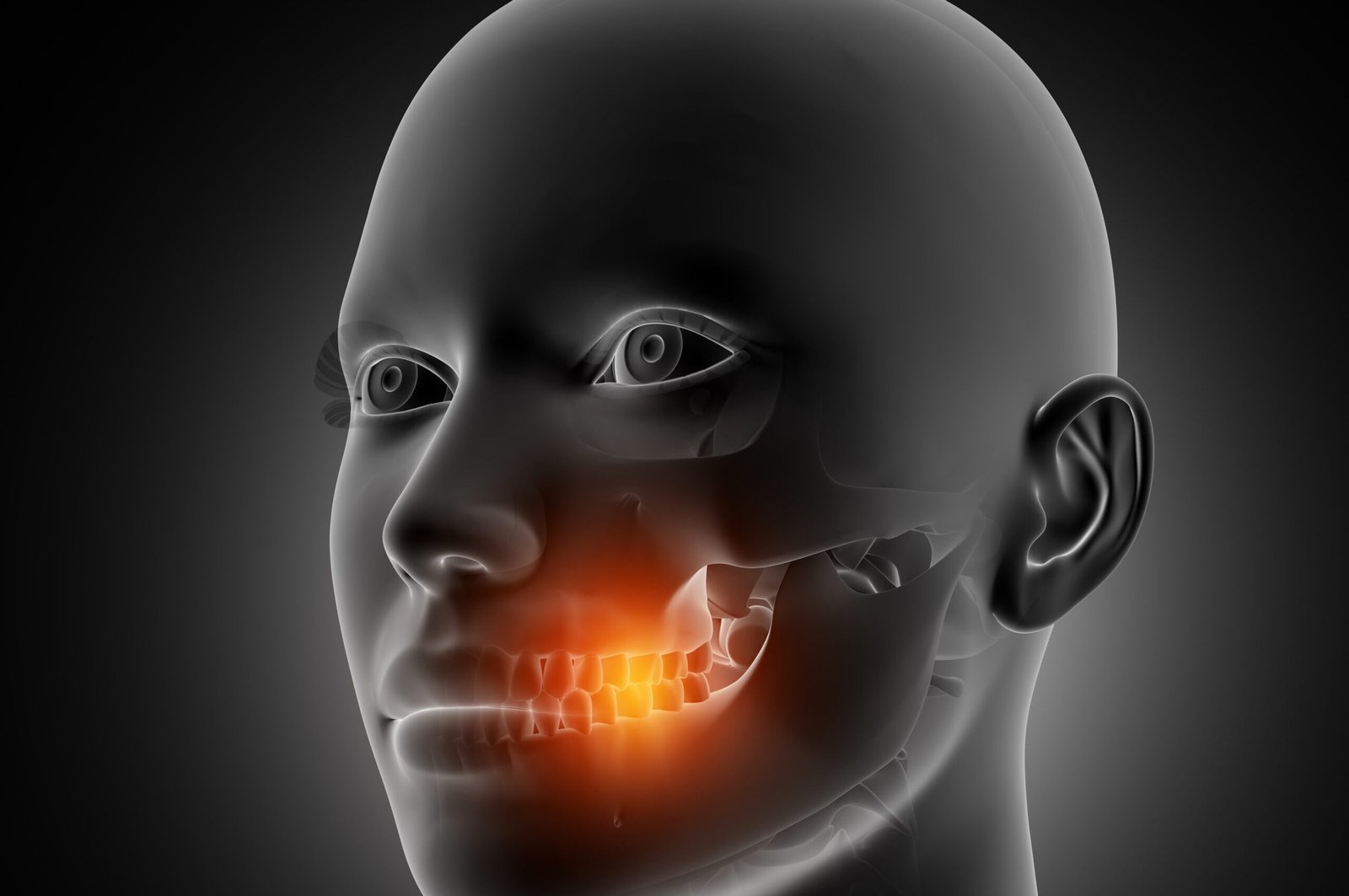
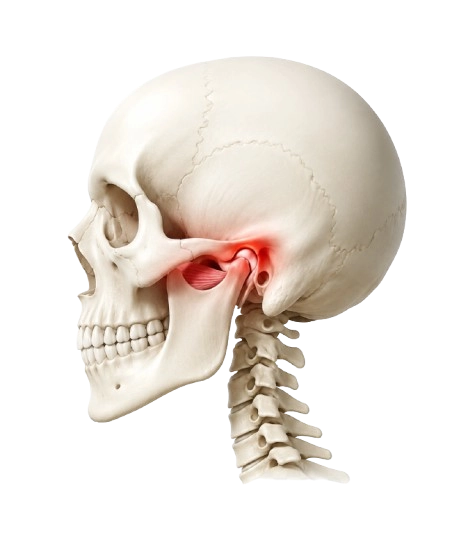
Temporomandibular Joint (TMJ) Disorder is a condition affecting the jaw joints and surrounding muscles, leading to symptoms such as jaw pain, clicking, stiffness, headaches, facial pain, and difficulty chewing or opening the mouth. Early diagnosis and appropriate treatment can help restore normal jaw function and relieve discomfort.

TMJ Diagnostics
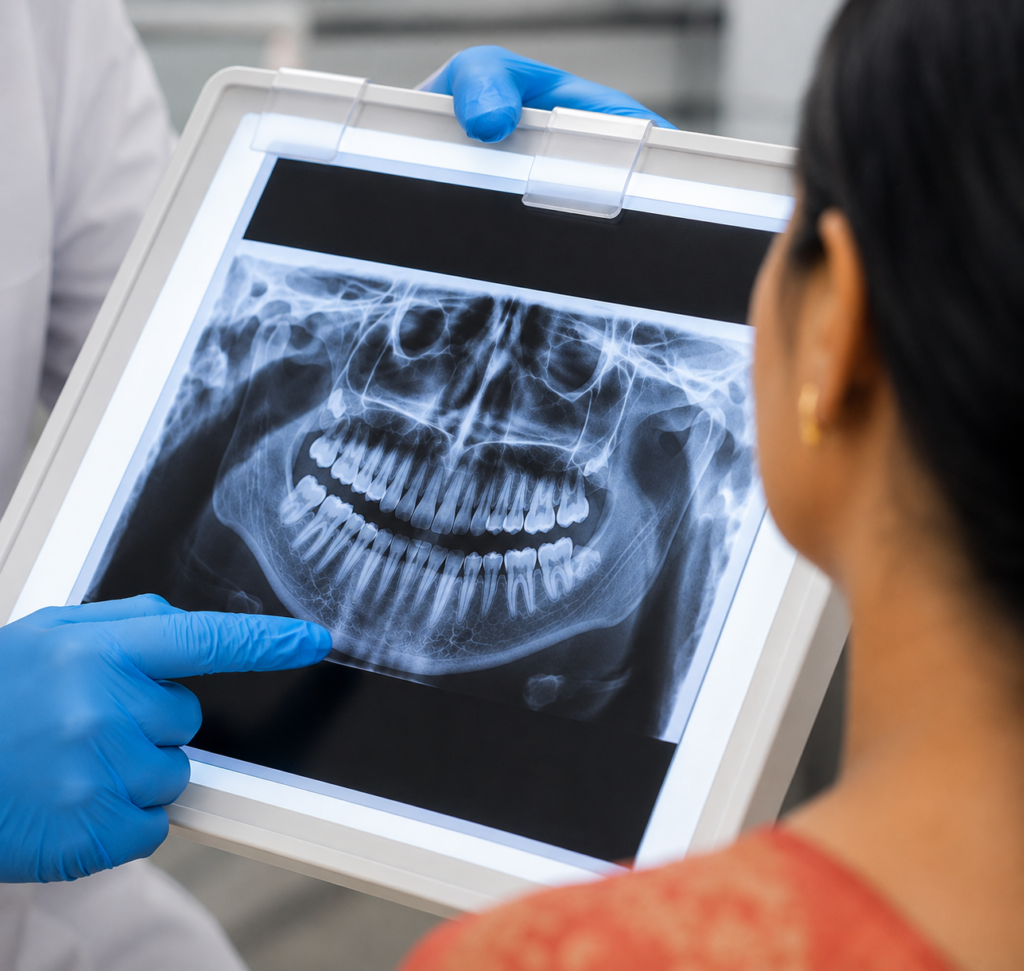
- 3D CBCT & Digital X-rays – Detailed imaging of the jaw joints, teeth, and surrounding structures.
- MRI & Panoramic Imaging – Evaluates the soft tissues, joint disc, and overall TMJ condition when required.
- Bite Force Analysis (OccluSense) – Measures bite force distribution and occlusal balance.
- Electromyography (EMG) – Assesses the activity and function of the jaw muscles.
- Jaw Tracking Systems – Records jaw movement patterns to detect functional abnormalities.
- Clinical Muscle Palpation – Evaluates muscle tenderness, joint function, and range of motion during a comprehensive examination.
Non-Surgical TMJ Treatments
Custom Appliances & Oral Orthotics
Specially designed appliances help reduce stress on the jaw joints, improve bite alignment, and protect against teeth grinding.
- Custom TMJ Splints
- Night Guards
- Bite Repositioning Appliances

Therapeutic Treatments
Advanced therapies are used to relieve pain, improve jaw mobility, reduce muscle tension, and support healing.
- Physical Therapy & Rehabilitation
- J5 Myomonitor TENS Therapy
- Laser Therapy
- Ultrasound Therapy
- Acupuncture

Supportive Care
Lifestyle guidance and supportive treatments help reduce symptoms and improve long-term treatment outcomes.
- Muscle Relaxants & Anti-inflammatory Medications (when clinically indicated)
- Stress Management Techniques
- Dietary Modifications (Soft-Food Diet)
- Postural Correction
- Fellowship-trained in TMJ (USA)
- Advanced TMJ Diagnostics
- Personalized Treatment Plans
- Non-Surgical Care
- Evidence-Based Approach
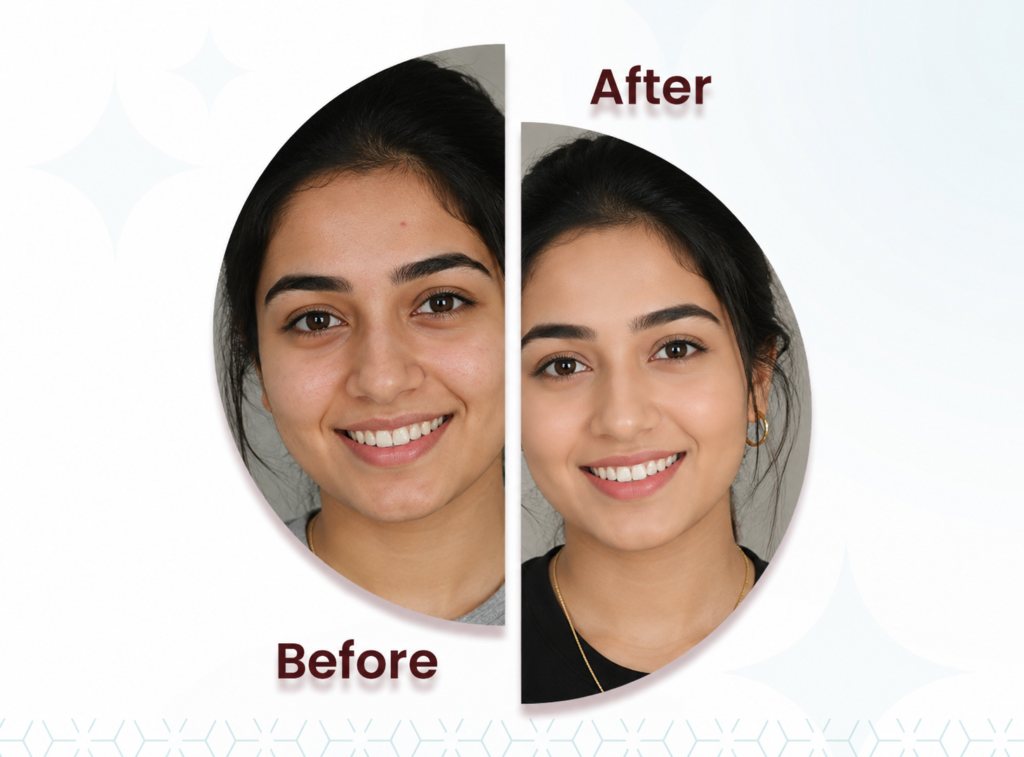
Why Patients in Chennai Trust Dr. Shankar
Risk Factors for TMJ Disorder
While TMJ disorders can affect anyone, certain factors may increase the likelihood of developing jaw pain and dysfunction. Understanding these risk factors can help with early diagnosis and timely treatment.
- Age (20-40 Years) – TMJ disorders are most commonly diagnosed in young and middle-aged adults.
- Gender – Women are generally more likely to experience TMJ disorders than men.
- Poor Posture – Neck and shoulder misalignment can place additional strain on the jaw joints and muscles.
- Excessive Gum Chewing – Repetitive jaw movements may contribute to muscle fatigue and joint stress.
- Genetics – A family history of joint disorders or certain inherited traits may increase susceptibility.

Common Symptoms of TMJ Disorder
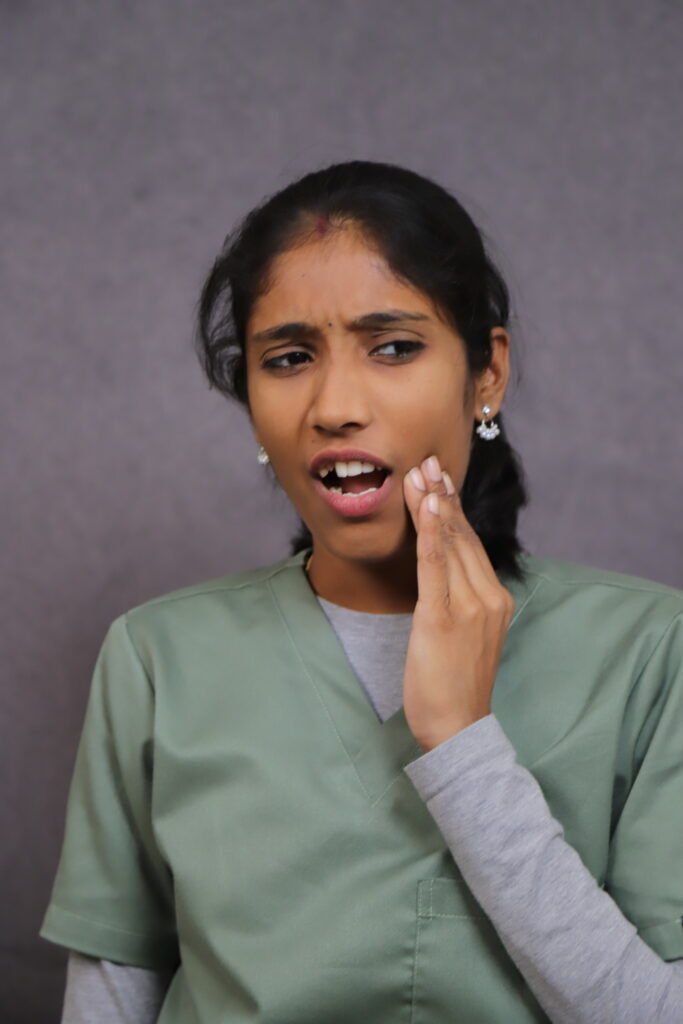
TMJ disorder can present with a wide range of symptoms that affect your jaw, face, head, and even your ears. If you experience one or more of the following symptoms regularly, a comprehensive TMJ evaluation can help identify the underlying cause.
- Jaw Pain or Tenderness
- Clicking or Popping Sounds
- Jaw Locking or Stiffness
- Chronic Headaches & Migraines
- Difficulty Chewing or Biting
- Ear Pain, Ringing, or Fullness
- Facial Pain or Swelling
What Causes TMJ Disorder?
TMJ disorders can develop due to a combination of factors affecting the jaw joints, muscles, and bite. Identifying the underlying cause is essential for creating an effective treatment plan and achieving long-term relief.
Then list the causes:
- Bruxism (Teeth Grinding) – Excessive grinding or clenching places stress on the jaw joints and muscles.
- Jaw Trauma or Injury – Accidents or direct impact can affect the function of the TMJ.
- Dental Misalignment – Bite problems may contribute to uneven pressure on the jaw joints.
- Arthritis (Osteoarthritis or Rheumatoid Arthritis) – Joint inflammation can damage the TMJ and limit movement.
- Stress & Jaw Clenching – Chronic stress often leads to muscle tension and clenching, worsening TMJ symptoms.
- Hormonal Factors – Hormonal influences may increase the likelihood of TMJ disorders in some individuals.
Understanding the cause of your TMJ disorder is the first step toward effective, personalized treatment. Dr. Shankar performs a comprehensive evaluation to identify the contributing factors before recommending the most appropriate treatment plan.
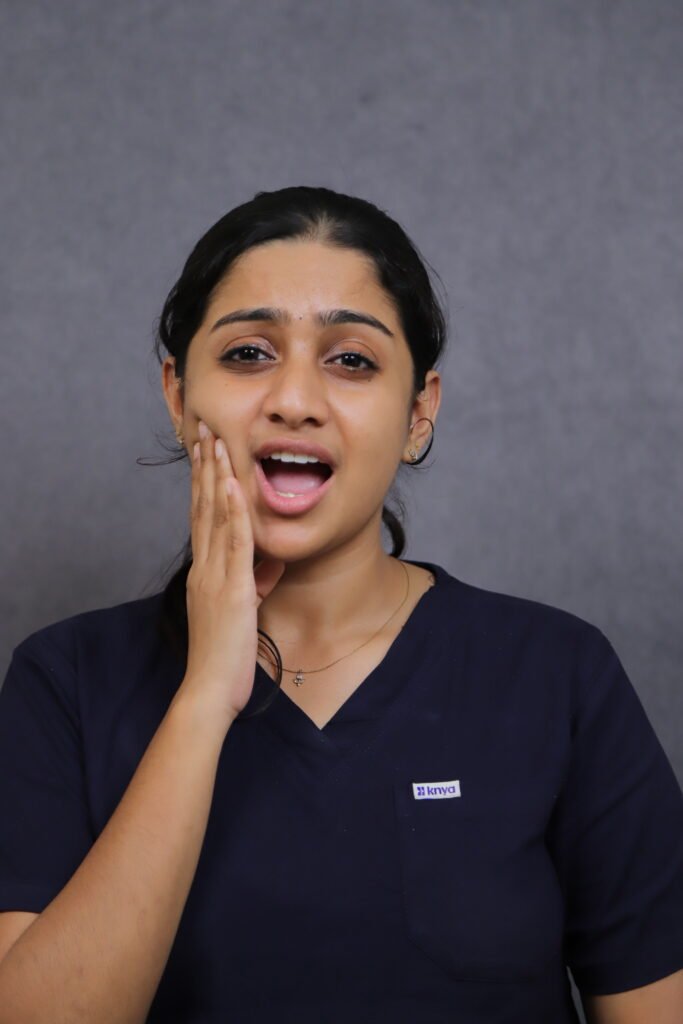
TMJ disorder can present with a wide range of symptoms that affect your jaw, face, head, and even your ears. If you experience one or more of the following symptoms regularly, a comprehensive TMJ evaluation can help identify the underlying cause.
- Jaw Pain or Tenderness
- Clicking or Popping Sounds
- Jaw Locking or Stiffness
- Chronic Headaches & Migraines
- Difficulty Chewing or Biting
- Ear Pain, Ringing, or Fullness
- Facial Pain or Swelling
Common Symptoms of TMJ Disorder
What Causes TMJ Disorder?
TMJ disorders can develop due to a combination of factors affecting the jaw joints, muscles, and bite. Identifying the underlying cause is essential for creating an effective treatment plan and achieving long-term relief.
Then list the causes:
- Bruxism (Teeth Grinding) – Excessive grinding or clenching places stress on the jaw joints and muscles.
- Jaw Trauma or Injury – Accidents or direct impact can affect the function of the TMJ.
- Dental Misalignment – Bite problems may contribute to uneven pressure on the jaw joints.
- Arthritis (Osteoarthritis or Rheumatoid Arthritis) – Joint inflammation can damage the TMJ and limit movement.
- Stress & Jaw Clenching – Chronic stress often leads to muscle tension and clenching, worsening TMJ symptoms.
- Hormonal Factors – Hormonal influences may increase the likelihood of TMJ disorders in some individuals.
Understanding the cause of your TMJ disorder is the first step toward effective, personalized treatment. Dr. Shankar performs a comprehensive evaluation to identify the contributing factors before recommending the most appropriate treatment plan.
Risk Factors for TMJ Disorder
While TMJ disorders can affect anyone, certain factors may increase the likelihood of developing jaw pain and dysfunction. Understanding these risk factors can help with early diagnosis and timely treatment.
- Age (20-40 Years) – TMJ disorders are most commonly diagnosed in young and middle-aged adults.
- Gender – Women are generally more likely to experience TMJ disorders than men.
- Poor Posture – Neck and shoulder misalignment can place additional strain on the jaw joints and muscles.
- Excessive Gum Chewing – Repetitive jaw movements may contribute to muscle fatigue and joint stress.
- Genetics – A family history of joint disorders or certain inherited traits may increase susceptibility.
Looking for TMJ treatment in Chennai?
Don’t let jaw pain, headaches, or facial discomfort interfere with your daily life. Schedule a comprehensive TMJ evaluation with Dr. Shankar to receive an accurate diagnosis and a personalized treatment plan.
1. Is TMJ permanent?
Not always. Many TMJ disorders can be effectively managed with early diagnosis and appropriate treatment. The outcome depends on the underlying cause and the severity of the condition.
2. Can TMJ heal on its own?
Mild TMJ symptoms may improve with rest and self-care. However, persistent or recurring jaw pain, clicking, or restricted movement should be evaluated by a TMJ specialist to prevent the condition from worsening.
3. How long does TMJ treatment take?
Treatment duration varies depending on the cause and severity of the disorder. Some patients experience improvement within a few weeks, while others may require several months of personalized treatment and follow-up care.
4. Does insurance cover TMJ treatment?
Insurance coverage for TMJ treatment varies depending on your provider and policy. Our team can help you understand the available treatment options and guide you through the insurance process where applicable.
5. Is surgery necessary?
In most cases, no. The majority of TMJ disorders can be successfully treated with conservative, non-surgical approaches such as oral appliances, physical therapy, and lifestyle modifications. Surgery is generally considered only when other treatments have not been effective.
6. What foods should I avoid?
During TMJ treatment, it’s generally recommended to avoid hard, chewy, or crunchy foods such as nuts, chewing gum, tough meats, and hard candies, as they can place additional stress on the jaw joint. Soft foods are often more comfortable during flare-ups.
7. Can stress cause TMJ?
Yes. Stress can contribute to jaw clenching and teeth grinding, which place excessive pressure on the jaw joints and muscles. Managing stress is often an important part of a comprehensive TMJ treatment plan.
8. Is the jaw clicking normal?
Occasional jaw clicking without pain may not require treatment. However, if the clicking is accompanied by pain, jaw locking, limited movement, or difficulty chewing, it’s important to have your jaw evaluated by a TMJ specialist.