TMJ Treatment in Ernakulam
Find lasting relief from jaw pain, headaches, facial discomfort, and bite problems with personalized, non-surgical TMJ treatment by Dr. Shankar.
About Dr. Shankar
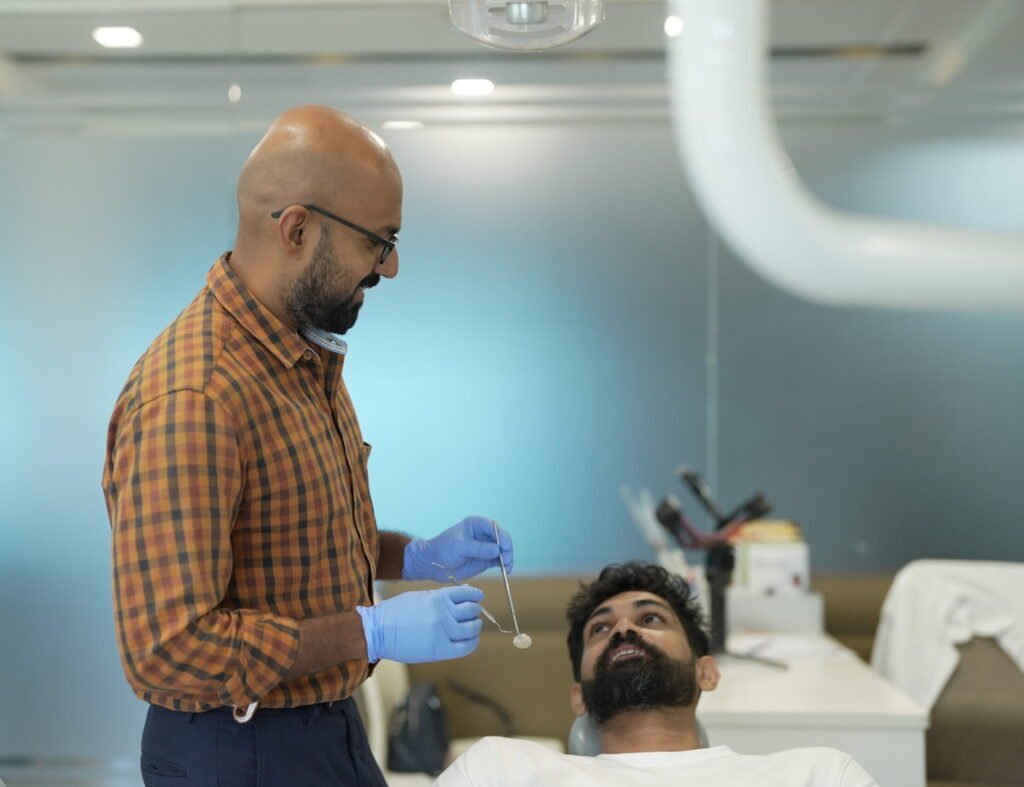
Dr. Shankar, BDS, FICCMO (USA), is a TMJ and Orofacial Pain Specialist with advanced fellowship training in Cranio-Mandibular Orthopedics from the USA. He specializes in the diagnosis and non-surgical treatment of TMJ disorders, jaw pain, chronic facial pain, headaches, bite-related problems, and sleep-disordered breathing.
With a comprehensive, evidence-based approach, Dr. Shankar focuses on identifying the root cause of each patient’s symptoms through detailed clinical evaluation and advanced diagnostics. The personalized treatment plans are designed to restore jaw function, relieve pain, and improve overall quality of life, making him a trusted choice for patients seeking specialized TMJ treatment in Ernakulam.

Common Causes of TMJ Disorder
TMJ disorders can develop due to a combination of factors affecting the jaw joints, muscles, and surrounding structures. Identifying the underlying cause is essential for accurate diagnosis and effective treatment. During your evaluation, Dr. Shankar carefully assesses these contributing factors to develop a personalized treatment plan.
- Bruxism (Teeth Grinding & Clenching)
- Trauma or Injury to the Jaw
- Stress & Anxiety
- Arthritis & Joint Degeneration
- Poor Posture
- Improper Dental Work or Braces
About TMJ
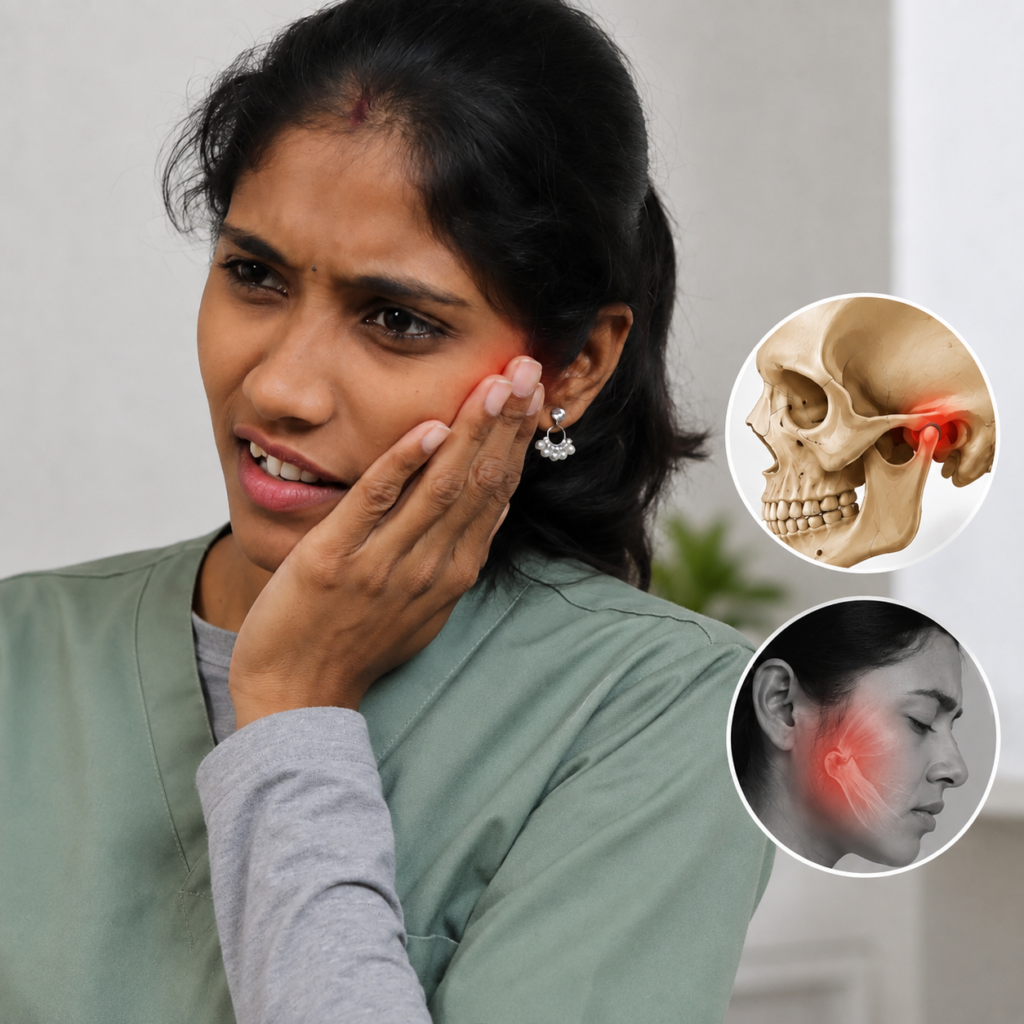
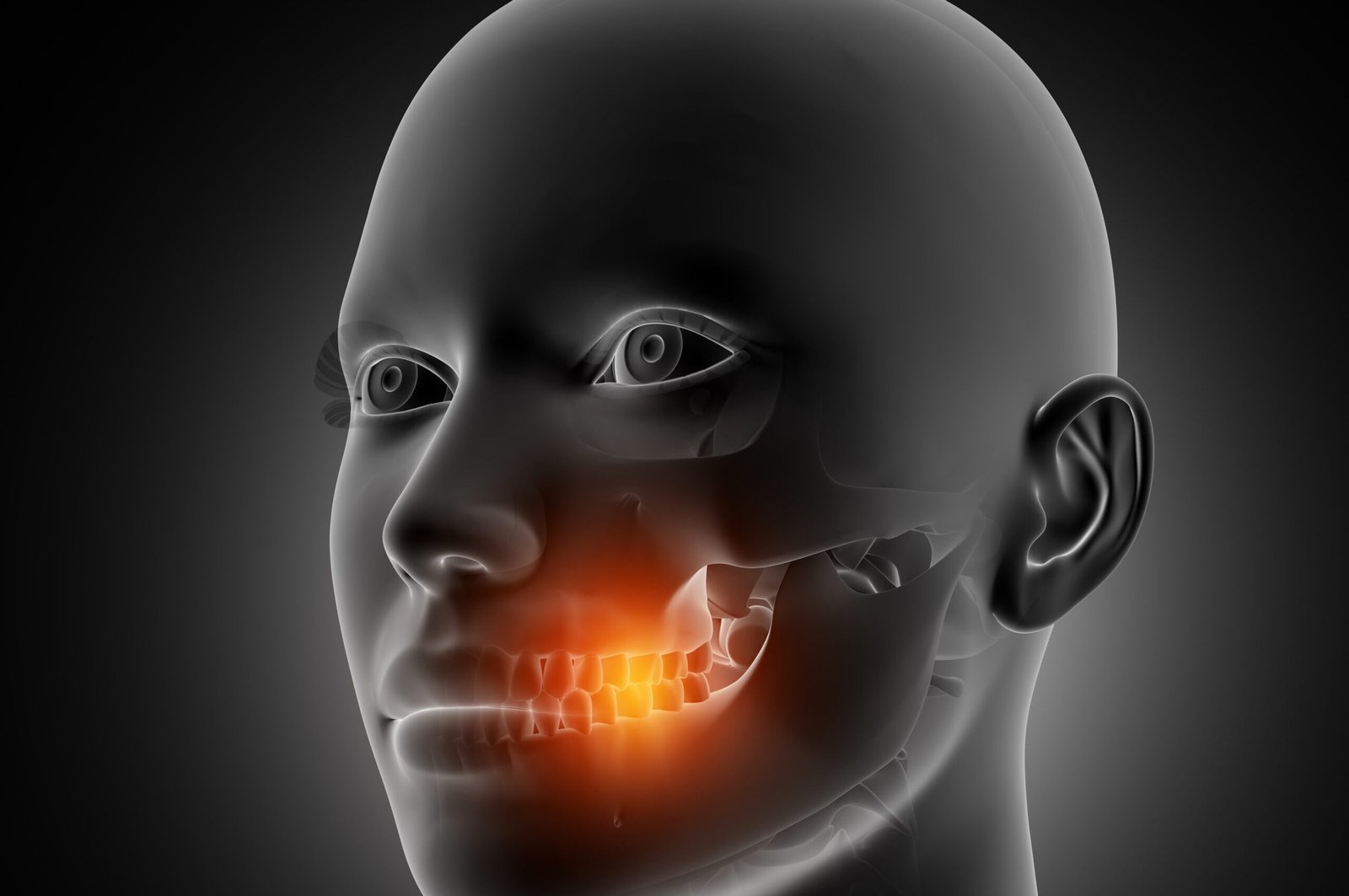
The Temporomandibular Joint (TMJ) is one of the most complex joints in the body, connecting the lower jaw to the skull and enabling essential movements such as speaking, chewing, and yawning.
It consists of the joint, an articular disc, cartilage, ligaments, and surrounding muscles that work together to ensure smooth jaw function. When any of these structures become damaged or fail to function properly, it can lead to Temporomandibular Disorders (TMD), also known as Temporomandibular Dysfunction or Cranio-Cervical Mandibular Dysfunction – causing symptoms such as jaw pain, clicking, restricted movement, headaches, and facial discomfort.

Symptoms of TMJ Disorder
The temporomandibular joint works closely with the muscles, nerves, and surrounding structures of the head and neck, symptoms can extend to the face, ears, neck, and even sleep. If you’re experiencing any of the following symptoms, a comprehensive TMJ evaluation can help determine whether they are related to jaw dysfunction.
Jaw-Related Symptoms
- Jaw clicking and popping
- Jaw locking or stiffness
- Pain while chewing
- Limited jaw movement
Head & Neck Symptoms
- Chronic headaches or migraines
- Neck pain and stiffness
- Shoulder pain
- Muscle tenderness and discomfort
Ear & Eye Symptoms
- Tinnitus (ringing in the ears)
- Earache or a feeling of fullness
- Dizziness or balance issues
- Symptoms similar to Ménière’s disease
Sleep-Related Symptoms
- Snoring
- Sleep apnea
- Restless sleep or restless legs
Bite-Related Symptoms
- Improper tooth alignment (malocclusion)
- Teeth grinding or jaw clenching (bruxism)
The Temporomandibular Joint (TMJ) is one of the most complex joints in the body, connecting the lower jaw to the skull and enabling essential movements such as speaking, chewing, and yawning.
It consists of the joint, an articular disc, cartilage, ligaments, and surrounding muscles that work together to ensure smooth jaw function. When any of these structures become damaged or fail to function properly, it can lead to Temporomandibular Disorders (TMD), also known as Temporomandibular Dysfunction or Cranio-Cervical Mandibular Dysfunction – causing symptoms such as jaw pain, clicking, restricted movement, headaches, and facial discomfort.
About TMJ
The temporomandibular joint works closely with the muscles, nerves, and surrounding structures of the head and neck, symptoms can extend to the face, ears, neck, and even sleep. If you’re experiencing any of the following symptoms, a comprehensive TMJ evaluation can help determine whether they are related to jaw dysfunction.
Not everyone with TMJ disorder experiences the same symptoms. Some patients have only jaw pain, while others may experience headaches, ear discomfort, or sleep-related issues. A detailed evaluation by Dr. Shankar in Ernakulam can help identify the underlying cause and guide the most appropriate treatment plan.
Symptoms of TMJ Disorder
Jaw-Related Symptoms
- Jaw clicking and popping
- Jaw locking or stiffness
- Pain while chewing
- Limited jaw movement
Head & Neck Symptoms
- Chronic headaches or migraines
- Neck pain and stiffness
- Shoulder pain
- Muscle tenderness and discomfort
Ear & Eye Symptoms
- Tinnitus (ringing in the ears)
- Earache or a feeling of fullness
- Dizziness or balance issues
- Symptoms similar to Ménière’s disease
Sleep-Related Symptoms
- Snoring
- Sleep apnea
- Restless sleep or restless legs
Bite-Related Symptoms
- Improper tooth alignment (malocclusion)
- Teeth grinding or jaw clenching (bruxism)
Common Causes of TMJ Disorder
TMJ disorders can develop due to a combination of factors affecting the jaw joints, muscles, and surrounding structures. Identifying the underlying cause is essential for accurate diagnosis and effective treatment. During your evaluation, Dr. Shankar carefully assesses these contributing factors to develop a personalized treatment plan.
- Bruxism (Teeth Grinding & Clenching)
- Trauma or Injury to the Jaw
- Stress & Anxiety
- Arthritis & Joint Degeneration
- Poor Posture
- Improper Dental Work or Braces
Personalized Non-Surgical TMJ Care
Every TMJ disorder is unique, which is why treatment should never follow a one-size-fits-all approach. After a comprehensive evaluation, Dr. Shankar develops a personalized, non-surgical treatment plan designed to relieve pain, restore jaw function, and address the underlying cause of your condition.
Custom TMJ Appliances
Custom-made oral appliances are designed to reduce pressure on the jaw joints, protect against teeth grinding, and improve bite function.
- Custom TMJ Splints
- Night Guards
- Bite Repositioning Appliances
Rehabilitation & Pain Management
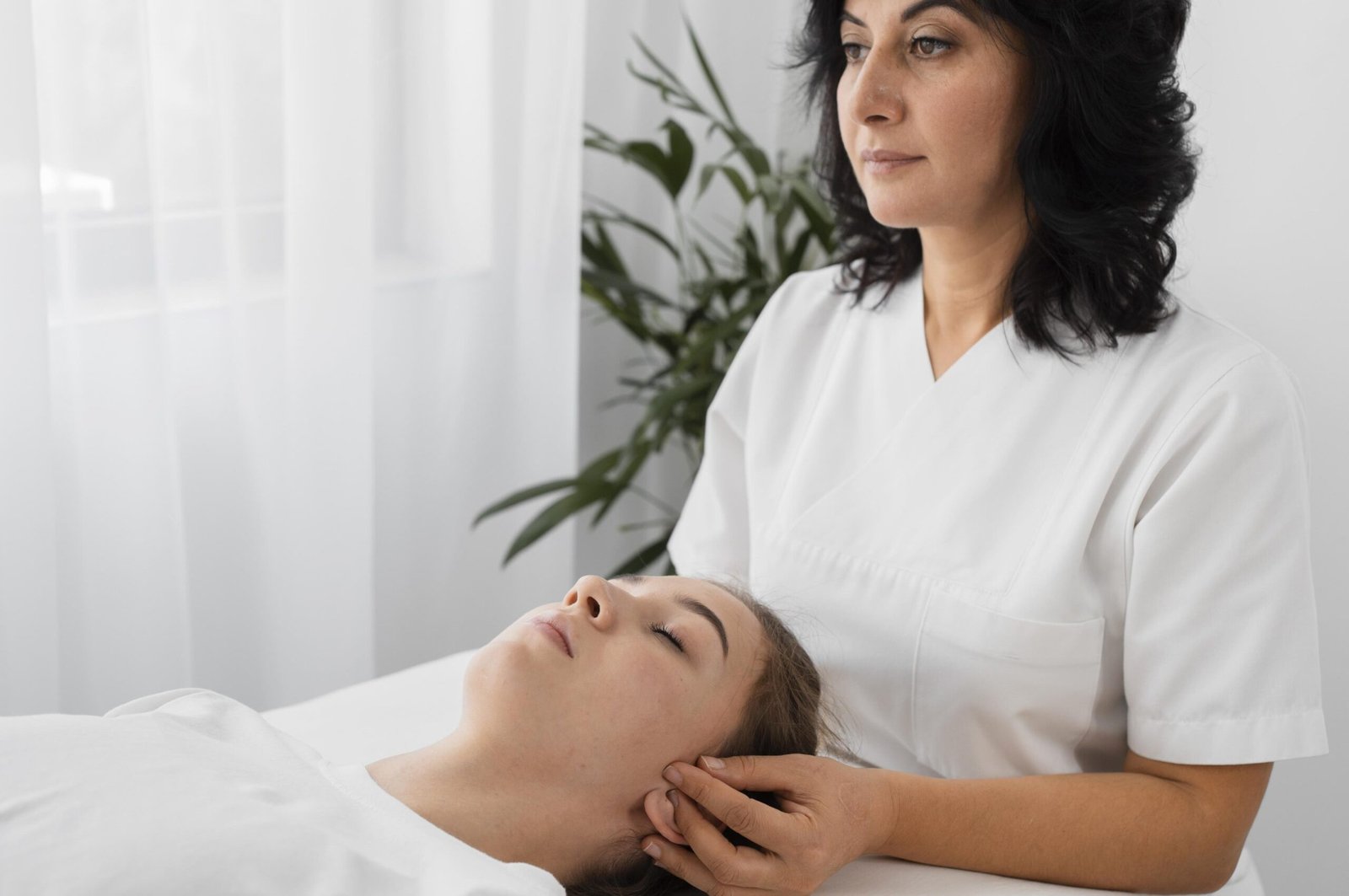
A combination of advanced therapies may be recommended to improve jaw mobility, reduce muscle tension, and support recovery.
- Physical Therapy & Rehabilitation
- J5 Myomonitor TENS Therapy
- Laser Therapy
- Ultrasound Therapy
- Acupuncture

Lifestyle & Functional Support
Long-term success often involves improving daily habits that contribute to TMJ dysfunction.
- Stress Management Strategies
- Dietary Guidance (Soft-Food Diet)
- Postural Correction
- Medications for Pain & Inflammation (when clinically indicated)
Serving Patients Across Ernakulam
Don’t let jaw pain, headaches, or facial discomfort affect your daily life. Schedule a comprehensive TMJ evaluation with Dr. Shankar and receive a personalized treatment plan designed to address the root cause of your symptoms.
1. When should I see a TMJ specialist?
If you have persistent jaw pain, clicking, headaches, difficulty chewing, or your jaw locks while opening or closing, it’s advisable to consult a TMJ specialist. Early diagnosis can help prevent the condition from worsening and improve treatment outcomes.
2. Can TMJ disorders affect my daily life?
Yes. TMJ disorders can make everyday activities such as eating, speaking, yawning, and even sleeping uncomfortable. They may also contribute to chronic headaches, facial pain, neck discomfort, and reduced quality of life if left untreated.
3. What happens during my first TMJ consultation?
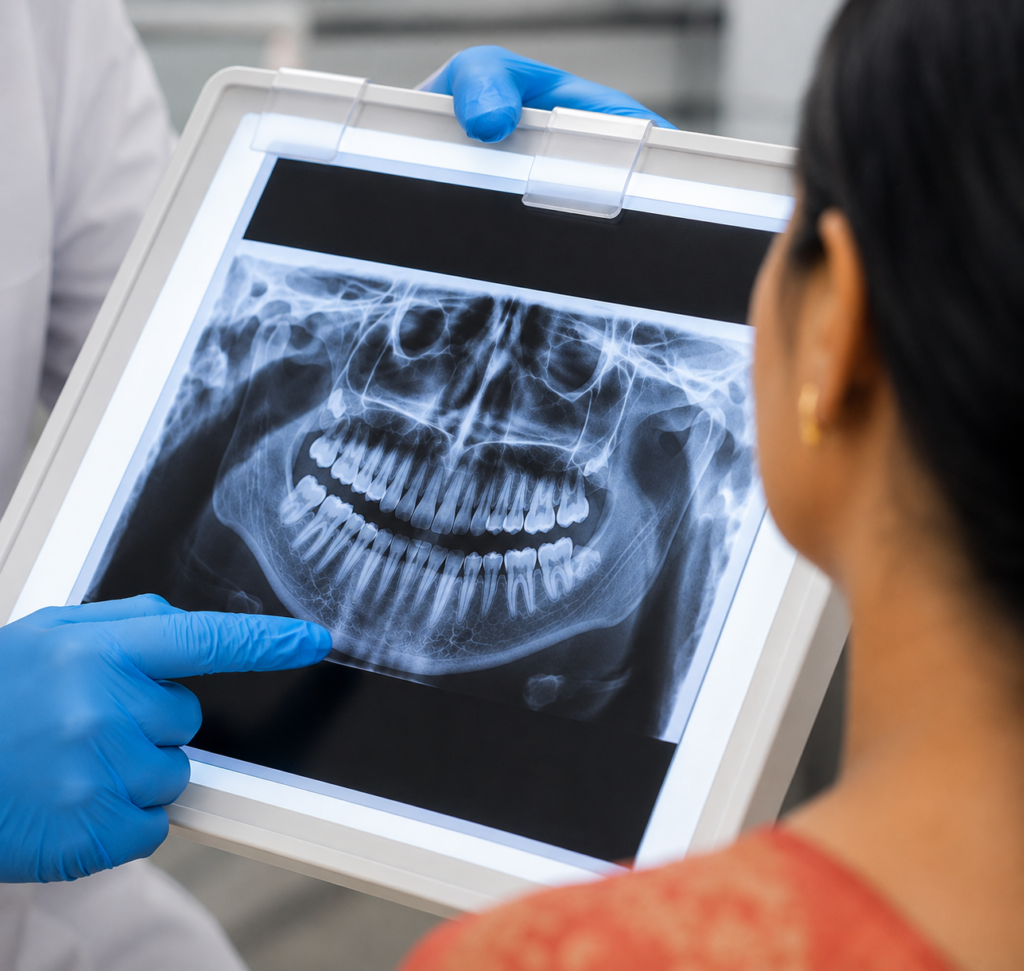
Your first consultation includes a detailed review of your symptoms, medical and dental history, a clinical examination of your jaw joints and muscles, bite assessment, and, if necessary, advanced imaging. Based on the findings, Dr. Shankar will recommend a personalized treatment plan.
4. Can teeth grinding cause TMJ disorder?
Yes. Frequent teeth grinding or jaw clenching (bruxism) places excessive pressure on the jaw joints and surrounding muscles, making it one of the most common contributing factors to TMJ disorders. Identifying and managing bruxism is often an important part of treatment.
5. Do I need surgery for TMJ treatment?
In most cases, no. The majority of TMJ disorders can be successfully managed with non-surgical treatments such as custom oral appliances, physical therapy, lifestyle modifications, and other conservative therapies. Surgery is typically considered only when non-surgical treatments have not been effective.